Home Buyers
What are the steps to buying a home in North Carolina?
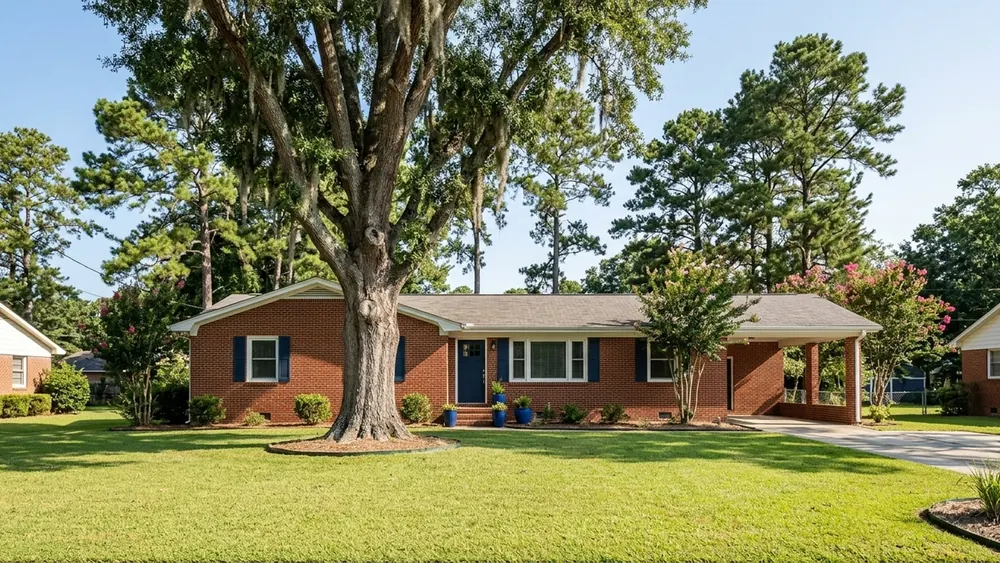
Buying a home in North Carolina usually runs in this order: talk with a lender, sign a buyer agreement, search and tour, make an offer, use the due diligence period well, then close with a real estate attorney.
On this page
The steps in plain order
Buying a home in North Carolina follows a fairly steady sequence. You talk with a qualified lender about how you will pay. You choose a buyer’s agent and sign a written buyer agreement. You search and tour. You make an offer that includes a due diligence fee and earnest money. You use the due diligence period to inspect and investigate. Then a real estate attorney handles the closing, and the home is yours.
Each step depends on the one before it, which is why the order matters. Touring before you understand your budget can lead to falling for a home you are not ready to buy. Making an offer before you understand due diligence can leave you unsure of your options later. Knowing the sequence ahead of time lets you prepare for each stage instead of reacting to it.
This guide walks through each step from a buyer’s point of view. It explains what happens, what to ask and who answers each question. It does not replace advice from a lender or a real estate attorney, and the specific terms in your own contract are always worth confirming with them. Think of it as a map you can bring to those conversations, so you know which questions to ask and roughly when they will come up.
Starting with money and representation
The first real step is a conversation with a qualified lender. A lender can talk with you about loan options, what you may qualify for and what documents they will need from you. This is not a commitment to any loan. It is a way to understand your starting point, so the homes you look at fit a plan you are comfortable with rather than a number you guessed at.
The second step is choosing who will represent you. In North Carolina, you should receive the Working with Real Estate Agents disclosure, which explains the different ways an agent can work with you. Before touring with an agent, you can expect to sign a written buyer agreement that sets out the relationship. Read it carefully, ask questions about anything unclear, and take it to a real estate attorney if you want a second opinion.
Matt Dew, a REALTOR® and the owner of Matt Dew Real Estate in Greenville, holds the Accredited Buyer’s Representative® (ABR®) designation and works on the buyer’s side of these steps. Whoever you choose, the goal of this early stage is the same: you know how you will pay, and you know who is working for you and on what terms.
Searching and touring with purpose
With money and representation in place, the search begins. Start with a short list of needs and a separate list of wants. Needs are the things that would rule a home out. Wants are the things that would make you happy but are not deal breakers. Keeping the two lists apart makes it easier to compare homes honestly instead of chasing whichever feature caught your eye most recently. Revisit both lists after your first few tours, since seeing real homes often sharpens what you actually need.
When you tour, look past finishes and staging. Pay attention to layout, natural light, storage, the condition of the roof and windows as far as you can see them, and how the home would work for your daily routine. Write notes during or right after each visit. After a few tours, homes start to blur together, and your notes are what keep each one distinct.
Your buyer’s agent can help you notice questions to raise about each property and keep your search focused on your lists. Whether you are looking in Greenville, Wilson or elsewhere in North Carolina, the questions are about the home itself. The choice of where to live is yours, made from your own needs and from official sources, not from how anyone describes who lives in a place.
Making an offer you understand
When you find a home you want, your agent helps you write an offer. A North Carolina offer includes more than a price. It covers terms that shape your options later, and it is worth understanding each one before you sign. Ask your agent to walk through these pieces with you, and ask a real estate attorney about anything legal.
- The purchase price and how it fits the plan you made with your lender
- The due diligence fee, and what happens to it if your plans change
- The earnest money deposit and the conditions that affect whether it is returned
- The length of the due diligence period and the closing date you propose
The seller may accept, reject or counter. A counteroffer is normal and simply means the conversation continues. Your agent helps you weigh each response against your priorities. Take your time to understand what has changed before you agree, and remember that the right offer is one you understand and are comfortable with, not just one that gets accepted.
Using the due diligence period well
Once your offer is accepted, the due diligence period begins. This is your time to investigate the home and decide whether to move forward. The exact rights and terms depend on your contract, so confirm them with a real estate attorney. In general, this is when most of the important checking happens. Here is a simple way to organize it.
| Task | Why it matters | Who helps |
|---|---|---|
| Home inspection | Shows the condition of systems and structure | A licensed home inspector |
| Appraisal | Your lender uses it to support the loan | Your lender |
| Loan application progress | Keeps financing moving toward closing | A qualified lender |
| Insurance quotes | Helps you understand ongoing costs before you commit | An insurance agent |
| Contract and title questions | Confirms what you are agreeing to and buying | A real estate attorney |
If the inspection raises concerns, your agent can help you think through your options, which might include asking the seller to address something or reconsidering the purchase. What you can do, and what it might cost you, depends on your contract and your timing. That is exactly why understanding the due diligence period before you make an offer matters so much.
Closing with a real estate attorney
In North Carolina, a real estate attorney handles the closing. The attorney’s work generally includes reviewing title and preparing and overseeing the closing documents. Ask the attorney early what they need from you, how funds should be handled and what you should bring on closing day. Never act on wiring instructions without confirming them directly with the attorney’s office by a known phone number.
Before closing, you will usually do a final walkthrough to confirm the home is in the condition you expect. Then you sign the documents, the loan funds, and the home becomes yours. Your agent stays involved through this stage, helping coordinate with your lender and attorney so that small surprises do not turn into last minute problems. Once the keys are in your hand, keep copies of your closing documents organized and easy to find.
How to get ready before step one
You can start preparing today, well before you tour a single home. A little organization now makes every later step calmer. Gather these things before your first conversation with a lender or a buyer’s agent, and keep them in one place so you can find them when the process starts moving. None of it needs to be perfect, only written down.
- A short written list of needs, kept separate from your wants
- Your questions for a lender about loan options and required documents
- Your questions about the buyer agreement and how representation works
- Notes on where you hope to live and how you plan to use the home
If you are planning to buy in Greenville, Wilson or elsewhere in eastern North Carolina and would like someone on your side through each of these steps, Matt Dew Real Estate is glad to talk with you. There is no rush. Start with a conversation about where you are in the process and what you would like to understand next.
This article is general information about buying homes and condos in Wilson and Greenville, extending to the coast at Atlantic Beach, North Carolina, and the surrounding areas. It is not legal, tax, lending, insurance, flood or inspection advice and does not predict prices or promise results. Confirm flood zones and insurance with official sources and an insurance agent, association fees and rules with the association, financing with a qualified lender, and property condition with a licensed home inspector. Matt Dew, Matt Dew Real Estate.

Written by