Home Buyers
What should first-time buyers know before making an offer in North Carolina?
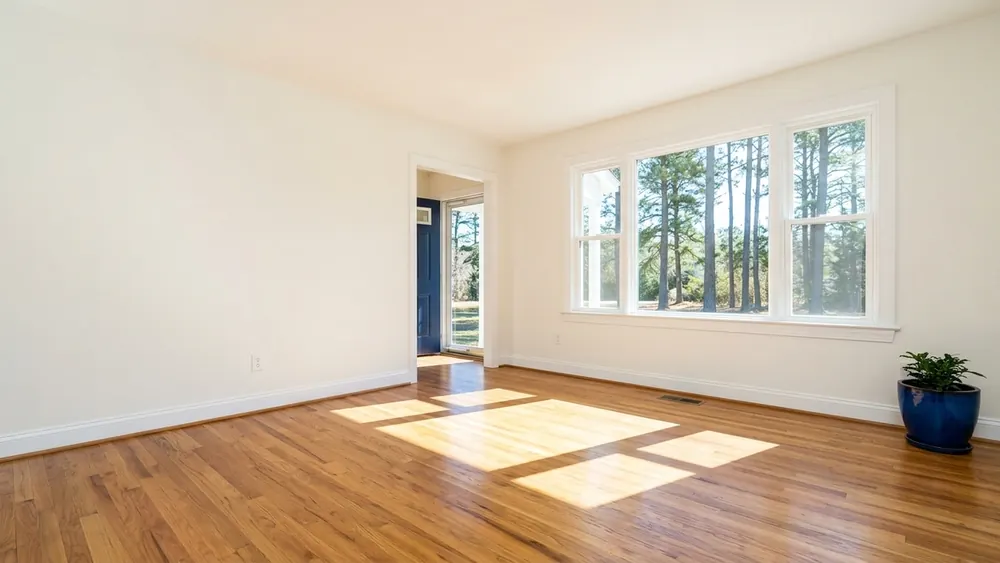
Before making an offer in North Carolina, first-time buyers should understand the due diligence fee, earnest money and due diligence period, have a lender conversation behind them, and know which questions go to an inspector, lender or attorney.
On this page
What to understand before you sign anything
Before you make your first offer in North Carolina, understand three things: the due diligence fee, the earnest money deposit and the due diligence period. Together they shape what you are committing to, what you could lose if plans change and how much time you have to investigate the home. Also have a qualified lender conversation behind you, so the price you offer fits a plan you trust.
First-time buyers often focus almost entirely on price. Price matters, but in North Carolina the other terms in an offer can matter just as much to how the purchase feels later. Two offers at the same price can put you in very different positions depending on how the fee, the deposit and the timing are written. Knowing that before you sign is the single most useful thing you can bring to the table.
None of this needs to be intimidating. It just needs to be explained in plain language before the pressure of a home you love arrives. This guide covers what to know, what to ask and who answers each question. For anything legal, a real estate attorney is the right source. For anything about your loan, a qualified lender is.
Why the first offer feels different
A first offer often comes after weeks of searching, and it usually arrives on a home you are excited about. That combination makes it easy to sign quickly and figure out the details later. A calmer approach is to learn the details first, while you are still calm, so that when the right home appears you can move with confidence instead of guesswork.
Matt Dew, a REALTOR® and the owner of Matt Dew Real Estate in Greenville, holds the Accredited Buyer’s Representative® (ABR®) designation and works with buyers on exactly this stage. The approach is simple: slow the decision down enough that you understand it, then help you act on it. Every term in your offer should be something you could explain back in your own words.
Before you sign an offer, you should be able to tell me what each term means for you if things go well and if they do not.
The due diligence fee and earnest money
A North Carolina offer typically includes a due diligence fee and an earnest money deposit, and they are not the same thing. Each one is handled differently, and what happens to each if you decide not to buy depends on the terms of your contract. Ask your agent to explain how each works in your offer, and ask a real estate attorney to confirm anything you are unsure about.
Think about these amounts as part of your budget, not as an afterthought. Talk with your lender about how they fit alongside your down payment and closing costs. Ask whether any of it is credited toward the purchase at closing. The goal is to know, before you sign, what money leaves your hands and under what conditions you might or might not get it back.
Your agent can help you think through how these terms affect the strength of your offer from the seller’s point of view. That is a real consideration, but it should never push you past what you are comfortable risking. A strong offer you regret is not a good outcome. A clear offer you understand is.
How the due diligence period works for you
The due diligence period is the window after your offer is accepted when you investigate the home and decide whether to go forward. During this time you typically schedule a licensed home inspector, work with your lender on the loan and the appraisal, gather insurance quotes and ask any remaining questions about the property. Its length is something you propose in your offer.
Before you choose a length, think about what needs to fit inside it. How quickly can an inspector get to the home? How long does your lender need for the steps they handle? Will you want another professional to look at anything the inspector flags? Ask each of those people directly, then talk with your agent about a period that gives you real room to decide.
Questions to settle before you write
A short checklist can save you from a rushed decision. Work through these questions before you write your first offer, ideally before you even find the home. If you cannot answer one of them yet, that tells you exactly which conversation to have next, whether with your lender, your agent or a real estate attorney.
- How much you are comfortable putting at risk if the purchase falls through
- Which inspections you want and who will perform each of them
- Whether your lender has reviewed your documents and explained the next steps
- What you would do if the inspection finds something you did not expect
These questions are not about predicting how things will go. They are about deciding in advance how you want to respond. Buyers who have thought through the hard cases ahead of time tend to make calmer decisions when something surprising appears, and something usually does. Preparation is what lets you stay on your own timeline rather than someone else’s.
Who answers which question
One of the most helpful habits for a first-time buyer is sending each question to the right person. Your agent helps with the real estate side and keeps everything coordinated, but many important questions belong to someone else. Here is a simple way to keep track of who to ask, so nothing important gets answered by guesswork.
| Question | Why it matters | Who to ask |
|---|---|---|
| What loan options fit me? | Sets the budget behind your offer | A qualified lender |
| What do these contract terms mean legally? | Clarifies your rights and obligations | A real estate attorney |
| What condition is the home in? | Reveals issues before you commit | A licensed home inspector |
| What will insurance cost? | Affects your ongoing monthly budget | An insurance agent |
| How should my offer be shaped? | Balances your priorities with the seller’s view | Your buyer’s agent |
Keeping these lanes clear protects you. A buyer’s agent should never give you legal or lending advice, and a good one will tell you when a question belongs elsewhere. When each answer comes from the right source, you can trust it more, and you can put the pieces together into a decision that is fully yours.
Common first-offer surprises to avoid
Some surprises come up again and again for first-time buyers. One is assuming the price is the only thing that matters in a competitive situation. Another is not realizing how the due diligence fee and earnest money are treated differently. A third is choosing a due diligence period without checking whether inspections, insurance quotes and lender steps can realistically fit inside it.
Another common surprise is the appraisal, which your lender arranges to support the loan. If the appraisal comes in differently than expected, your options depend on your contract and your loan, so ask your lender and a real estate attorney how that situation would be handled before you are in it. Knowing the possibilities ahead of time keeps a surprise from becoming a crisis.
Getting ready for your first offer
Start by writing down what you would want to understand before signing: the questions above, any worries you have and anything you have heard from friends that you are not sure is accurate. Have your lender conversation early. Read the Working with Real Estate Agents disclosure and your buyer agreement carefully. The more you settle now, the more clearly you can think when the right home comes along.
If you are getting ready to buy your first home in Greenville, Wilson or elsewhere in North Carolina and want someone on your side as you make that first offer, Matt Dew Real Estate is happy to talk it through. Bring your list and your questions. There is no pressure, just a conversation about what you want to understand before you sign.
This article is general information about buying homes and condos in Wilson and Greenville, extending to the coast at Atlantic Beach, North Carolina, and the surrounding areas. It is not legal, tax, lending, insurance, flood or inspection advice and does not predict prices or promise results. Confirm flood zones and insurance with official sources and an insurance agent, association fees and rules with the association, financing with a qualified lender, and property condition with a licensed home inspector. Matt Dew, Matt Dew Real Estate.

Written by